 Posted by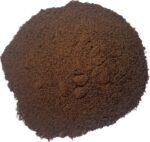
Neem cake is what is left of the neem seed after the oil has been pressed out: a dry, crumbly meal that is rich in organic matter and slow-release nitrogen, with useful amounts of phosphorus, potassium, calcium, magnesium and sulphur. Ourons neem cake comes as a fine powder and as pellets. Both are the same material, milled from seed grown in India, and both are used as an organic fertiliser and soil conditioner in beds, borders, pots and compost.
What it does
- Feeds slowly. The nitrogen is bound up in organic matter and is released over several weeks as the cake breaks down, rather than all at once.
- Improves the soil. Neem cake adds organic matter, which opens up heavy soils and helps light soils hold water.
- Feeds soil life. Earthworms and soil microbes break the cake down, and a soil with more of them is a soil that holds nutrients better.
- Suits organic growing. It is a single natural ingredient with nothing added.
How to use it
In beds and borders. Rake in 100 to 200 g per square metre before planting, or scatter the same amount around established plants as a top dressing every two to three months through the growing season. Water it in.
In pots. Mix a small handful, about 25 to 30 g, into the compost of each pot at planting time, or work it lightly into the surface of an established pot and water.
In the compost heap. A few handfuls per layer adds nitrogen and speeds the heap along.
When planting. A handful in the bottom of the planting hole gives a new plant a slow feed to grow into.
Good to know
- As it breaks down in damp soil, neem cake can grow a pale, fluffy bloom on the surface. That is part of the process and it disappears as the cake is worked in.
- It has the same earthy smell as the oil. The smell fades within a day or two of watering in.
- Store it dry, in the bag, out of reach of pets, as you would any fertiliser.
- More is not better. Stick to the rates above; an over-fed plant grows soft and leggy.
Neem cake powder is sold in 1 kg and 5 kg bags at ourons.co.uk and on Amazon.