 Posted by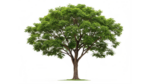
Neem has been part of daily life in the Indian subcontinent for as long as anyone has written things down, but the neem trade as we know it, seed collected by the tonne, oil pressed and bottled, cake bagged for the fields, is a product of the last hundred years. This is a short account of how a village shade tree became something you can order in a 100 ml bottle.
Before 1920: the village tree
Nearly every village had one. It stood by the well or the temple, threw deep shade in the hot months, and was left alone because it was useful in so many small ways: twigs for cleaning teeth, timber for door frames, and oil from the seed for the lamps. The oil was pressed at home or by the village oil-presser in a bullock-driven mill, a few litres at a time.
1920s to 1950s: soap and the first factories
The first industrial use was soap. Neem soap went on sale in Calcutta in 1920 and became a household name across India; the strong-smelling green bar is still made today. Soap makers needed seed by the tonne rather than the basket, so organised seed collection began, with the pressed cake going back to farmers as a manure.
1950s to 1990s: cake, and the rest of the world takes notice
Neem cake became a common organic fertiliser across South Asia, valued for its slow release of nitrogen. From the 1970s on the tree was planted widely outside its home range, for shade, firewood and holding soil in the Sahel, the Middle East and northern Australia, and a 1992 report from the US National Research Council, Neem: A Tree for Solving Global Problems, put it in front of a wide Western audience.
1990s to today: the bottled oil
Cold-pressed neem oil in small bottles is a product of the last thirty years. It arrived in Europe with the interest in natural soap and cosmetic ingredients, and it is now a staple for soap makers, candle makers and anyone blending their own oils. In the UK it is sold as a botanical oil for those crafts and, diluted in water, as a leaf wash for houseplants. The cake followed it, bagged as an organic fertiliser for gardens.
What we make from it today: what is neem oil used for? The tree itself: the neem tree: where the oil comes from.